


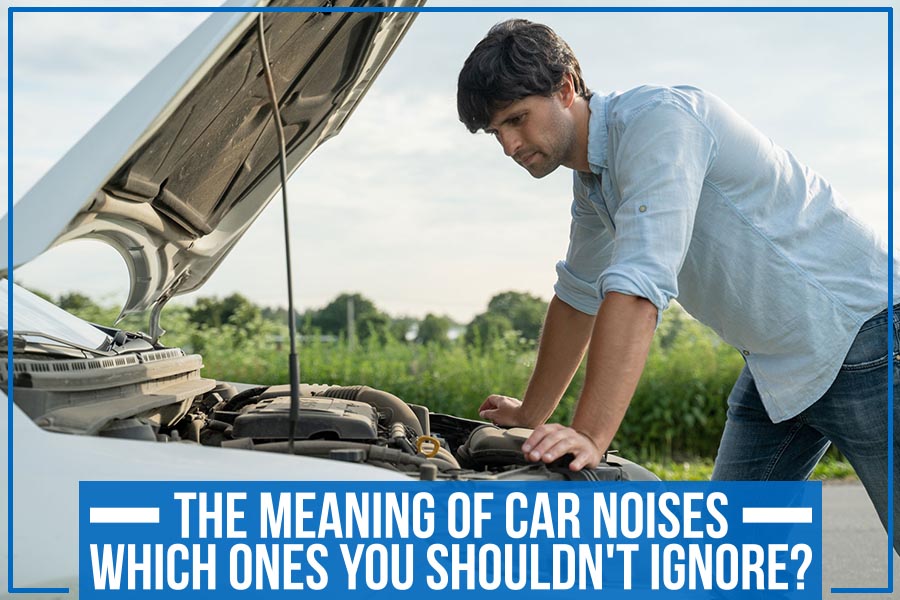
Key Takeaways –
- You cannot run to the auto-technician when you hear an unusual engine sound – chances are the car may not be safe to drive.
- It’s important to differentiate between alarming car noises and sounds that mean no instant danger.
- You can ensure your car does not produce unwanted engine sounds by carrying out frequent maintenance.
- Some car sounds set off the alarm; visit the auto technician in these cases.
- Acura of Tempe is a popular choice for car maintenance and repair in Tempe.
There are a lot of car noises that you’ll eventually learn to recognize. But some might sound a little strange initially, and you might not know what they mean. In this blog post, we’ll go over the different car noises you might hear and explain which ones you should ignore and which you should pay attention to. So whether you’re a seasoned driver or just starting, keep reading to learn more!
Although some noises may be alarming, many are not worth worrying about. Here are five different car sounds that you should not worry about.
- A High-Pitched Whine When You First Start the Car:
This noise is usually nothing to worry about and is likely caused by the starter motor engaging or disengaging. If the noise only happens when you start the car, then there is no need to worry.
- A Metallic Rattling Noise When You Are Driving:
Suppose you hear a metallic rattling noise while driving. In that case, it is probably coming from a loose heat shield or exhaust system component. While the two engine components have an essential role to perform, it is not something worth halting your car in the middle of the road and calling for emergency help.
- A Hissing Sound When You Turn Off the Engine:
A hissing sound after turning off the engine is likely due to pressure escaping from the radiator overflow tank as the engine cools down. This is an entirely normal occurrence and nothing to be concerned about.
- Clicking Noise When Turning:
If you hear an unusual clicking noise when turning, it is likely due to low power steering fluid levels. Add power steering fluid to the reservoir under your car’s hood to fix this.
- Clicking or Popping Sounds
When your oil gets low, it doesn’t lubricate your engine parts as well as it should. The drop in oil levels causes engine parts to rub together, creating the clicking or popping noise you hear.
Not keeping a watchful eye on engine oil levels and topping them off when necessary can eventually lead to big problems—like an exploded engine. So while a bit of clicking or popping might not seem like a big deal, you should take care of it right away by adding more oil to your car.
Car Sounds that Indicate Disaster and You Should Not Ignore
While some grumbling may be harmless, there are car sounds that suggest you should take your ride to the technician immediately.
- A High-Pitched Squeal When Starting Your Engine
This noise is often compared to the sound of a screaming animal, and for a good reason. It usually indicates that your serpentine belt is fraying and needs to be replaced. The serpentine belt is responsible for providing power to most of the engine accessories like the water pump, air conditioning compressor, and power steering. Drive to the nearest mechanic ASAP to avoid being stranded on the side of the road.
- Grinding Noise When You Start Driving
If you hear grinding noise when you first start driving, it’s likely an indication that your clutch is wearing out. The clutch engages and disengages the engine from the transmission. When it’s working correctly, you shouldn’t hear any noise. The grinding noise is often caused by a damaged or misaligned pressure plate, throw-out bearing, or release fork. These components are integral to your clutch, so it’s best to take your car to a mechanic as soon as possible.
- A Knocking Noise Coming from Your Engine
A loud, unusual knocking noise coming from under your hood is never a good sign. Several things could cause it, but it most likely indicates something is wrong with your pistons or connecting rods. If you continue driving without getting it checked out, the knocking could turn into banging, eventually leading to engine failure. Drive to a nearby mechanic or service station so they can look at it and determine what needs to be fixed.
Also, Read – Benefits of Dealership Service Centers Over Independent Repair Shops
Unusual Engine Sounds: A Step-by-Step Guide
Here’s a step-by-step guide and insight to help you decide on a line of action when you hear unusual engine sounds.
- First and foremost, don’t panic. Odds are, it’s not as bad as it sounds. Chances are good that you can fix the problem yourself without having to call a tow truck or a mechanic.
- Pull over as soon as it’s safe to do so. Once you’ve stopped, turn off the engine and pop the hood.
- Take a look at your engine and try to identify the source of the noise. Is there something loose? Is there something rubbing against something else? Is there fluid leaking anywhere?
- If you can’t identify the problem, don’t hesitate to call a tow truck or a mechanic. They’ll be able to take a look and tell you what needs to be fixed.
- If you’re comfortable fixing the problem yourself, go for it! It’s always satisfying to be able to fix something without having to pay someone else to do it for you. Just be sure that you know what you’re doing before you start tinkering around under the hood.
Unwanted car sounds can be very frustrating, and it’s hard to know which ones you should ignore and which ones you shouldn’t. By bringing your car into Acura of Tempe, serving Tempe, AZ, our expert technicians can quickly diagnose the problem and eliminate any unwanted sounds.
So, don’t wait any longer; schedule an appointment today!
Key Takeaways:
- The term “trade-in value” is usually used when buying a new car.
- “Trade-in value” is what a car dealer will give you for your old car as a discount on the new car.
- You can get more for your car trade-in value by doing simple things to maintain its value, such as regularly washing and waxing it.
- When the time comes to sell or trade in your car, research its worth online so you have a general idea of what it’s worth.
- Finally, don’t be afraid to negotiate with the dealer to get the best price for your trade-in.
Look, we all love our cars. They’re like our babies. But the sad reality is that we have to give them up at some point – whether it’s because we’re moving, upgrading, or just plain ol’ tired of them. Most people think of their car as an extension of themselves. It’s not just a way to get around; it’s how we make a statement about who we are.
So, it’s vital to protect the value of our car investment. And when that time comes, most of us want to get as much money for our old car as possible. Luckily, you can do a number of things to retain your car trade-in value and make the trade-in process go a little more smoothly. Here are a few tips by Acura of Tempe for keeping your car looking and performing like new so that when it comes time to trade in or sell, you’ll get the best price possible. Happy driving!
Car Trade in Value: What Does It Entail?
In 2016, there were about 15,928,573 vehicle trade-in deals in the United States. The term “trade-in value” is usually used when buying a new car. A dealership will give you the amount of money for your old car as a discount on your new purchase. Remember that this number is almost always lower than your car’s worth because dealerships need to make a profit. They also factor in the cost of necessary repairs, and the time it will take to sell the car.
To get the most precise estimate of your car trade-in value, recent research on sales of similar vehicles in your area can help. You can Google this or talk to friends, family, or colleagues who have recently purchased a vehicle. This will give you a decent idea of what dealerships are likely to offer you for your car.
How Does Car Depreciation Work?
Your ride is a depreciating asset that loses value over time. The depreciation rate varies from vehicle to vehicle. Still, a new car can generally lose up to 20{04f4473667429606b198cd57205ea0bcdf618085427f25e7d455198628d93ee0} of its value in the first year alone. It will have lost around 60{04f4473667429606b198cd57205ea0bcdf618085427f25e7d455198628d93ee0} of its original value by the time it’s five years old.
Several factors contribute to depreciation, including:
- Make & model of the ride: Some cars hold their value better than others. For example, German-made cars such as Audi, BMW, and Mercedes-Benz are known for their excellent resale value. Japanese rides such as Toyota and Honda also retain their value well.
- Age of the vehicle: newer cars will have a higher resale or car trade-in value than older models.
- Mileage on the vehicle: The more miles on the odometer, the lower the car’s value.
- Condition of the vehicle: A well-maintained car will be worth more than one in poor condition.
- Location: Vehicles in some parts of the country (such as the Northeast) tend to have higher resale values than those in other regions (such as the South).
The best way to avoid depreciation is to purchase a used car a few years old. This way, you can get all the benefits of a new car without paying for the depreciation. You can also look for cars in high demand and likely to hold their value better than others.
Ways To Retain Your Car Trade-In Value
Some ways to keep your car’s value up include:
- Regular Maintenance:
One of the most important things you can do to keep your car running well and looking good is to keep up with regular maintenance. This includes changing the oil, checking fluid levels, getting tune-ups, and rotating the tires. By taking care of your ride, you can avoid larger repairs down the road and keep your car looking great.
- Drive Carefully:
Another way to keep your car in good condition is to drive carefully. This means obeying the speed limit, avoiding hard braking, and being cautious in bad weather. You can avoid accidents and keep your car looking new by driving carefully.
- Keeping The Interior Protected:
You should also take care of the inside of your car. This means not eating or drinking in the car and avoiding harmful chemicals like bleach that can damage the upholstery. You should also regularly vacuum and shampoo the carpets to keep them looking clean and new.
- Protect The Paint Job:
To keep your car’s paint job looking its best, you should wash it regularly and wax it at least once a year. It would help if you additionally avoided parking in direct sunlight or under trees, which can cause fading and other damage.
- Get Regular Inspections:
It’s vital to get your car inspected regularly by a qualified mechanic. This will help you catch any problems early on before they have a chance to cause major damage.
- Keep Good Records:
Whenever you get your car serviced, repaired, or inspected, keep a record of it. This will not only help you keep track of the work that’s been done on the car, but it will also help retain your car trade-in value if you ever need to sell or trade it in.
- Avoid Modifications:
While some modifications can increase your car trade-in value, most will do the opposite. So unless you’re planning on keeping the car for a long time, it’s best to avoid making any changes.
- Careful Where You Park:
This one is especially important if you live in an urban area. Parking your car on the street can leave it vulnerable to door dings, scratches, and even theft. If possible, park in a garage or shaded parking lot to help keep your car in pristine condition.
- Don’t Overdo It:
While taking care of your car is important, you don’t need to go overboard. Washing and waxing your car too often can actually damage the paint. Once every week or month should be sufficient.
These simple tips can help boost your car trade-in value and avoid depreciation. So, when the time comes to sell or trade in, you can rest assured knowing you’ll get top dollar for your vehicle.
Also, read: 4 Undeniable Benefits of Dealership Service Centers Over Independent Repair Shops.
Looking To Trade Your Car In Tempe, AZ? We Can Help!
At Acura of Tempe, we always look for quality used cars to add to our inventory. We’d be happy to take a look if you’re considering trading in your vehicle in Tempe, AZ. We offer top dollar for trade-ins and can help you find the perfect new or pre-owned car, truck, or SUV to fit your needs.
Stop by our dealership today or browse our online inventory to see what we have to offer. We look forward to helping you get behind the wheel of your dream car!

Key Takeaways:
- Antifreeze is an additive that keeps the coolant from freezing
- Coolant is a diluted form of antifreeze
- There are many types of antifreeze & coolants on the market
- The make of your car will determine what kind of coolant you need
- Ask your car care professional to keep a check on your coolant levels
- Keep an eye out for engine overheating and coolant leaks
Essential fluids keep us thriving, and it’s no different for our cars. The engine in your vehicle needs to be kept cool just like our bodies do, and that’s where the “essential liquids” we just spoke of come into the picture. Apart from engine oil, your vehicle needs antifreeze/coolant to function optimally. However, there’s some misconception that people often lack understanding regarding antifreeze and coolant. Let’s clear the air, shall we?
Acura of Tempe, your top Acura dealership in Tempe, AZ, will explain it all today.
Antifreeze
As the name suggests, antifreeze works against freezing. It’s a liquid whose essential job is to keep other fluids from freezing. Now, if you’re wondering why that’s important, we’ll tell you all about it. But let’s spare you the suspense and give you a quick rundown of how antifreeze works.
Antifreeze contains glycols – chemicals with a lower freezing point than water. The presence of these substances keeps the liquid from freezing or solidifying, even in frigid temperatures.
While antifreeze fluids have seen an evolution of their own, today, we mostly find two types of antifreeze on the market.
Ethylene Glycol
A breakthrough discovery during the 1920s led to the large-scale production of ethylene glycol. It was found to be an effective antifreeze and continues to be used in many cars today. The supply is also relatively stable and uncontaminated, making it a good choice.
Propylene Glycol
A relatively newer but very effective antifreeze, propylene glycol, was introduced in the 1950s. Unlike ethylene glycol, it is less toxic and safe for humans and animals.
Coolant
More commonly known as engine coolant or radiator coolant, it’s pretty interesting to know that coolants are essentially just “watered down” forms of antifreeze – literally. You see, antifreeze by itself can freeze at extremely low temperatures. So to keep your engine from freezing solid in the middle of winter, a coolant is used to lower the freezing point.
The incredible thing is that your engine’s coolant also works against the heat, saving the pipes from overheating and boiling. That’s because the antifreeze in coolant also has a higher boiling point than water, which comes in handy during the summer months.
Types of Coolants
Based on car technologies of the day, you’ll find four essential types of coolant out there:
1. IAT (Inorganic Additive Technology)
2. OAT (Organic Additive Technology)
3. HOAT (Hybrid Organic Additive Technology)
4. G05 (Global Organic Additive Technology)
The Mechanism of Antifreeze or Coolants
Your radiator or engine coolant keeps your car’s engine from overheating – or at least, it should. Here’s how it works:
- Your engine produces a lot of heat when it’s running.
- The water pump transfers that heat from the engine to the coolant.
- The coolant flows through the engine’s cooling system, absorbing heat.
- The now-hot coolant flows through the radiator, where it is cooled by the air flowing over the radiator fins.
- Chilly coolant flows back through the engine to absorb more heat.
- And repeat!
The key to keeping your car’s engine from overheating is keeping the fluids at an optimal temperature.
How To Know It’s Time To Change Your Engine Antifreeze/Coolant?
A regular check doesn’t hurt. Especially now that you know how integral these fluids are for your vehicle, it would be a grave mistake not to take them seriously. If you don’t know when was the last time you changed your antifreeze or coolant, now’s a good time to do it. Never underestimate the expertise of a professional car service in Tempe. You can also act smartly and save money on dealership auto repairs or services.
You might also be due for a change if you notice any of the following:
- The antifreeze is discolored
- The coolant level is low
- The engine is overheating excessively
How Often Should You Change Your Car’s Antifreeze or Coolant Fluid?
It’s a question we often hear, and unfortunately, there’s no easy answer. The frequency of changes depends on a few factors, including the type of antifreeze or coolant, your vehicle’s model, and your driving habits.
Generally, we recommend changing your antifreeze or coolant every two years or 24,000 miles. You can also ask your car service professional to check the coolant level and quality during your next oil change or scheduled maintenance appointment.
Indications Of Problematic Antifreeze or Coolant
1. You see antifreeze leaks under your car.
Antifreeze is a bright-colored fluid, and despite diluting with water, it maintains its brightness. If you see a puddle of bright orange, green or yellow liquid under your parked car, that’s antifreeze.
2. The engine is frequently overheating.
Since the job of your engine coolant is to transfer heat away from the engine, the engine will overheat more rapidly if it’s not doing its job.
3. Sweet smell coming from the engine.
Glycols tend to have a sweet smell, and if you notice a sickly syrupy smell coming from your engine, it’s an indication that there may be a coolant leak.
4. Coolant has a murky brown color.
Oxidized coolant will often turn a brownish color, indicating an issue with your engine fluids and not working as they should. Professional car service in Tempe can help determine whether it’s time to change your antifreeze.
What Type Of Antifreeze is Perfect For Your Nissan
Not sure what type of antifreeze or coolant to use in your Nissan? We can help at Acura of Tempe. Every make and model have its requirement, and treating every car the same way is a mistake we never commit.
For example, did you know that using the wrong antifreeze in your vehicle can void the warranty? It’s true! So, if you’re unsure what type of antifreeze is best for your car, it’s always best to ask a professional.
At Acura of Tempe, serving Tempe, AZ, we will inspect your car and let you know what antifreeze it takes. We will also top off your antifreeze levels and change them entirely if needed during the car service at our fully equipped Acura service center.
Leasing Vs. Buying A Car: What Suits Your Fancy?

Are you thinking about getting a new automobile? If so, you’re likely considering two options: leasing or buying. Both have advantages and disadvantages, so determining which is right for you can be tricky.
In this post, Acura of Tempe, serving Tempe, AZ, will examine the main difference between leasing or buying a car. You’ll know which approach is ideal for you after this post. Happy car shopping!
Leasing a Car:
When you lease a car, you borrow it from the dealership for a set time. The length of most leases is two to four years. You’ll make monthly payments, but you won’t own the car at the end of the lease. From there, you can either lease another car, buy the one you’re leasing, or return the keys and walk away.
There are a few points to remember when leasing a car:
- You’ll have to pay for any damage that exceeds normal wear and tear.
- You’re usually restricted to a certain number of miles per year. Going over that limit will result in additional fees.
- Leasing a car generally requires a higher credit score than financing.
Buying a Car:
When you buy a car, you achieve ownership right away. You’ll also have the option to sell or trade in your car down the road. You can finance your car if you can’t invest in the full purchase price right away. That means you’ll make monthly payments until the car is paid off.
The main downside of buying a car is that it depreciates quickly. In other words, your car’s value decreases as soon as you drive it off the lot. You’re also liable for all maintenance and repairs.
There are a few things to keep in mind while buying or financing a car:
- A good credit score will help you get a lower interest rate on your loan.
- Buying a used car will likely be cheaper than buying a new car.
- You can also loan or finance a used car, but you’ll need to research to ensure the car is in good condition.
- If you’re buying a new car, consider the cost of registration, taxes, and insurance.
Who is Leasing a Car Best for?
Leasing is best for individuals who don’t want to commit to a car long-term or don’t have the money to buy an automobile outright. And it’s also a great option for people who want lower monthly payments.
Who is Buying a Car Best for?
Buying a car is best for people who want to own their vehicle outright or intend to own it for a long time. It’s also reasonable if you want to avoid mileage limits and restrictions on modifications.
Advantages of Leasing a Car:
There are a few advantages to leasing a car instead of financing it.
You can get a new car every few years:
That is great if you like having your vehicle’s latest and greatest features.
Lower monthly payments:
Since you’re only paying for the car’s depreciation while leasing it, your monthly payments will be lower than if you were financing.
Fewer repair costs:
Since leasing companies want their cars to be in good condition, they often cover the cost of repairs.
Disadvantages of Leasing a Car:
There are also a few defects to leasing a car instead of financing it.
You don’t own the car:
It means you can’t modify it and must return it in good condition at the end of your lease.
Limited mileage:
Most leasing companies will only allow you to drive a certain number of miles annually. You’ll have to pay a fee if you go over this limit.
Advantages of Buying a Car:
Now let’s peek at the advantages of purchasing a car instead of leasing one.
You own the car:
That means that you can do whatever you want to it. You can modify, sell, or keep it as long as you want.
No mileage limits:
When you own a car, there are no limits on how many miles you can drive.
Lower monthly payments:
If you finance a car, your monthly payments will be lower than if you lease one.
Related: “Buy A New Car: 4 Reasons Why!”
Disadvantages of Buying a Car:
You’re responsible for repairs:
Once the car is yours, you’re responsible for all repairs and maintenance. That can be expensive, especially if something major goes wrong.
Tying up your money:
You use a large chunk of your savings when you buy a car. That means you have less money for other things, like a house or emergency fund down payment.
Leasing or Buying a Car: What are the Key Differences?
The main difference between leasing or buying a car is who owns the vehicle at the end of the term. You possess it outright when you purchase a car and can do whatever you want. That includes selling, trading, or keeping it for as long as you want.
A car lease is renting a car from the dealership for a certain time. When your lease is up, you can arrange to buy the car or return it to the dealership.
There are also some key financial differences to consider. You’re responsible for all maintenance and repairs when you buy a car. That can be expensive, especially if something major goes wrong.
With a lease, you’re only responsible for normal wear and tear. Most leases also come with some warranty, so you’re covered if something goes wrong.
Now that we’ve understood the key difference between leasing or buying a car, let’s learn when is the best time for the process.
When is the Best time to Lease or Buy a Car?
- When the manufacturer offers special lease deals, these often happen at the end of the year or when a new model is released.
- When the demand is low and lots of good deals are available. That is usually in the winter months.
- When you’re confident, you can afford the monthly payments for years.
With car prices rising, it’s more important to research when to buy or lease a car. According to CBS News, the primary explanation for this inflation is the global chip shortage. You can save yourself much money in the long run by taking the time to hunt for the best deal.
Conclusion:
If you’re looking to purchase a car, there are many elements to factor in. Do you want to lease or purchase? Both have unique perks and downfalls, so it all comes down to your personal preferences.
At Acura of Tempe, we want to help our customers make the process as easy as possible. We have an expansive range of new and used automobiles in Tempe, AZ, as well as financing and leasing options to match any budget.
So whether you’re leasing or buying, we can help get you behind the wheel of your dream car today. Get pre-approved for a loan or lease today and browse our inventory – we know you won’t be disappointed!
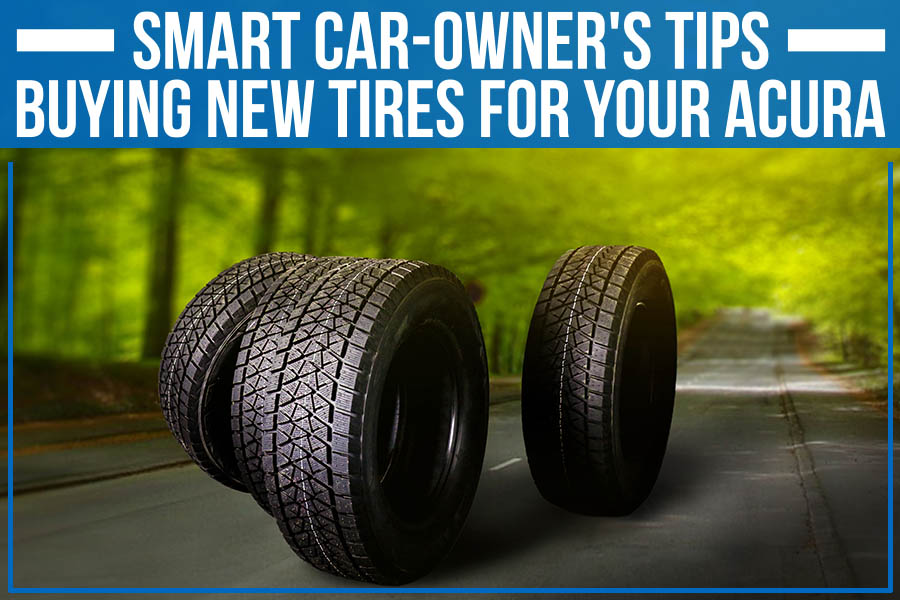
When the time comes around to buy new tires for your Acura, you may feel overwhelmed by the assumption of so many varieties of tires, only to realize how simple the tire buying process is.
With so many different brands, sizes, and tires available, how do you know which ones are right for your car? If you’re not sure, don’t worry – here are some great tips for buying new tires for Acura vehicles.
-
Choose the Right Tire Type
There are many types of tires on the market, so choosing the right one for your Acura is important. All-season tires offer a smooth ride and good fuel economy, making them a good option for most drivers. If you’re residing in an area with harsh winters, you may want to consider winter tires. All-terrain tires may be a better option if you drive in off-road conditions.
-
Pay Attention to the Tread
When you’re shopping for tires, pay close attention to the tread. The tread provides traction, so choosing tires with good tread patterns is important. All-season tires typically have symmetrical tread patterns, while winter tires often have asymmetrical tread patterns.
-
Compare Prices
Tires can be expensive, so it’s important to compare prices before you make a purchase. You can find great deals on tires by shopping online or at tire discounters.
-
Get the Right Size
Tire size is important for two reasons – safety and performance. If your tires are too small, they could overheat and fail. And if they’re too big, they could throw off your car’s handling. A crucial part of the tire buying process is getting the right tire size for your Acura. You can find the right tire size in your owner’s manual or on the placard located on the doorjamb of your vehicle.
-
Choose a Reputable Brand
Many tire brands are on the market, so choosing a reputable one is important. Some good options include Michelin, Continental, and Goodyear. Research which brand is right for you and your driving needs.
-
Get an Alignment
This is a good idea if you’re buying new tires. This ensures that your tires are properly aligned with your car, which will help them last longer. It will also improve your car’s handling. Whenever buying tires online, remember to come over for an alignment too!
-
Check the Warranty
When you’re buying new tires, be sure to check the warranty. Most tire brands offer a limited warranty on their products. This warranty can cover things like tread wear and road hazard damage.
-
Get Your Tires Installed by a Professional
If you’re uncomfortable installing your tires, take them to a professional. They’ll have the tools and experience necessary to do the job right.
Conclusion
Buying new tires for your car can be a daunting task. But with a little research & planning, you can get the perfect tires for your car. Keep these tips in mind, and you’ll be sure to find the right tires for your Acura.
Acura of Tempe, serving Tempe, AZ, is your best car dealership to buy new & pre-owned cars, parts, car financing, and everything else related to your Acura! Whether you need new tires or your old ones, come to our dealership!

Manufacturers offer certified used vehicles to entice buyers into purchasing used cars. Many dealerships also promote certified pre-owned cars as an alternative to buying used ones. But are CPO cars worth the premium?
The answer depends on a few factors:
First, consider what kind of driver you are. If you’re the type who is constantly getting into fender benders or racking up parking tickets, then a CPO car might not be worth the investment. The same goes for you if you’re not very diligent about getting routine maintenance done on your vehicle. However, if you’re a safe driver & keep up with your car’s maintenance, then a CPO car could be a good option.
Another crucial factor is how long you plan to keep your car. If you trade in your car every few years, then buying a CPO car might not make financial sense. However, if you plan on holding onto your car for a while, then the extended warranty and roadside assistance that comes with a CPO car could come in handy down the road.
Ultimately, whether or not it’s worth it to buy a CPO car depends on your circumstances. However, buying a CPO car could be a wise investment if you’re a safe driver who plans on keeping your car for a while.
Benefits of Buying a Certified Pre-Owned Car
Here are some perks of certified pre-owned cars:
-
You’ll Get an Extended Warranty
You get extended warranties that aren’t always available with regular used cars. These manufacturer-backed warranties can give you peace of mind in case something goes wrong down the road. In most cases, these warranties cover significant components like the engine and transmission and often come with roadside assistance.
-
The Car Goes Through a Strict Inspection Process
All certified pre-owned vehicles undergo a rigorous inspection process. Any issues with the car are repaired before it is sent to the dealership for sale. You can be sure that your car won’t break down on you unexpectedly.
-
You May Get Additional Benefits and Perks
When you buy a certified pre-owned (CPO) car, you may also get additional benefits and perks from the manufacturer. These can include free oil changes and tire rotations, as well as discounts on parts & labor should you need any repairs done. These benefits can save you money over the long run, making a certified pre-owned car even more valuable.
Conclusion
Certified pre-owned (CPO) cars are an excellent option for those looking for a used car. They have several advantages, including a thorough inspection, extended warranty, and lower interest rates. If you’re considering buying a used car, check out certified pre-owned models to see if they’re right for you.
Are you looking for an excellent quality used car in Arizona? Look no further than Acura of Tempe, serving Tempe, AZ! Our dealership is home to an impressive selection of certified pre-owned Acura models and other used cars.
If you want to know more about our dealership and the cars we have to offer, don’t hesitate to contact us today. We’ll surely help you find the perfect used car!
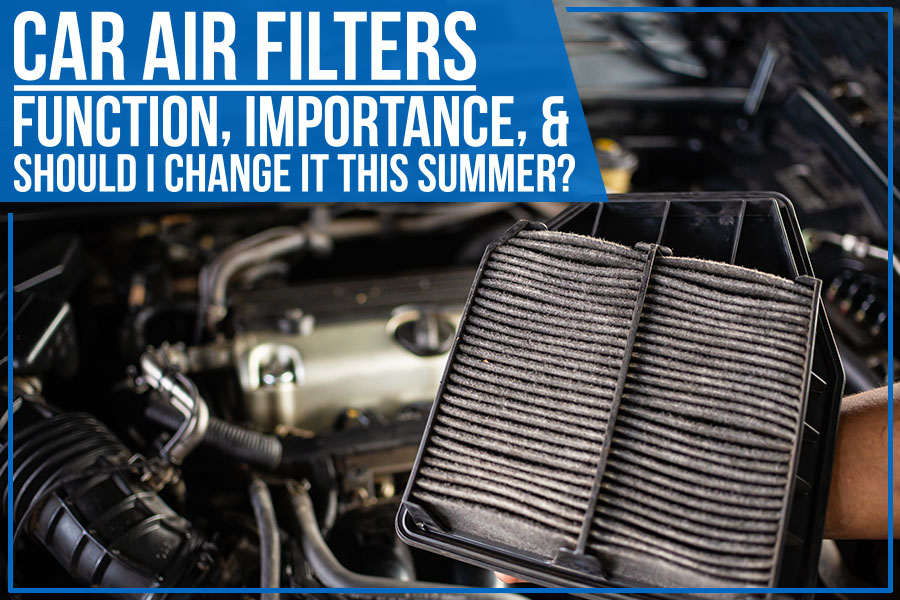
We cannot survive without air but little did we know that our cars also depend on air supply for optimum performance. Car air filters ensure your vehicle, and yourself breathe clean air by keeping unwanted particles at bay.
Today, Acura of Tempe will tell you more about these air filters in your car and the best time for replacing them.
Types of Car Air Filters
Generally, two air filters are sitting at different locations in your car. The first is what we call a cabin air filter responsible for air conditioning, and the other is for the car engine.
Cabin Air Filters
This car air filter can be found behind the glove compartment or under the hood. Its primary purpose is to clean the air before entering the car cabin.
Now, the air inside your car can get pretty dirty, especially if you live in a big city with a lot of smog and pollution. That’s why a clean cabin air filter ensures you and your car respire clean air.
Not only that, but a clean cabin air filter can also improve the efficiency of your car’s AC. When the dirt and debris take over and block this filter, the airflow to your car AC will be restricted, making it work harder and use more energy.
Engine Air Filter
This car air filter is responsible for cleaning the air before it goes into the car engine. As you know, the car engine needs air to function, and the air that goes into it must be free of dirt, dust, and other particles that can clog up the engine. A clean car engine air filter will help ensure your car gives its best performance without lags.
Should You Change Your Car Air Filters This Summer?
The answer to this question depends on a few factors, such as how often you use your car and where you live. Changing your car’s air filters is probably a good idea if you live in a metropolis with a lot of smog and pollution. The same goes for using your vehicle frequently or going on long road trips.
As a general rule of thumb, car experts recommend that you track your car’s mileage and change the air filter approximately after 12,000 to 15,000 miles. An even better suggestion would be to rely on expert advice and let a reputable dealership have a look at your filters now and then.
Final Words:
It’s pretty clear that neither of your car air filters can go on without proper maintenance and car filter replacement. So, if you don’t want to see your car engine struggling for breath, get those car air filters changed on time!
Contact a Reputable Dealership in Tempe, AZ
If you’re looking for a reputable dealership in Tempe, AZ, that can help you with car air filters and other car maintenance needs, look no further than Acura of Tempe. With our top-notch service and parts department, we can help you keep your car running like new.
Schedule an appointment with us today!

Driving in the rain can be treacherous, especially at night. You could easily be in a car accident if you’re not careful. That’s why Acura of Tempe has put together this list of tips to help you stay safe while driving in the rain.
1. Slow Down
This one is a no-brainer. When the roads are wet, taking time and driving slowly is essential. Speeding is not only dangerous, but it can also make it difficult to control your car. When the roads are wet, take your time and drive slowly. If your vehicle starts to skid, take your foot off the gas and steer in the course of the skid until you get the control back.
2. Turn on Your Headlights
You may not see clearly in the rain, so turning on your headlights is essential. It will help you see better and make it easier for other drivers to see you. Use your low-beam headlights. They provide better visibility than high beams in rain and fog. If you can’t see ahead of you and visibility is poor, pull off the road and wait until the rain subsides.
3. Use Your Windshield Wipers
Your windshield wipers are there for a reason – use them! They’ll help you see better while you’re driving in the rain.
4. Be Careful Of Puddles
Puddles can be deceiving. They may look shallow, but they can be pretty profound. If you’re unsure about their depth, it’s best to avoid them altogether.
5. Keep Your Distance
Following too closely behind another car is never a good idea, but it’s hazardous in wet weather. If the vehicle in front breaks suddenly, you may not be able to stop in time. Please search for the mechanic near me when in trouble.
6. Brake Gradually
Brake gradually and avoid sudden stops. If you have anti-lock brakes, apply them under firm, steady pressure. If you don’t have anti-lock brakes, pump the pedal gently.
Following these tips ensures your safety while driving in heavy rain. Take your time, use your windshield wipers, and be careful of puddles!
Ending Note
It’s known that driving in the rain can be dangerous. Be cautious about the mechanic near me to stay safe on the roads when it’s pouring outside. Here at Acura of Tempe, serving Tempe, AZ, we want to make sure our customers are as safe as possible while driving, so we’ve put together this list of tips for driving in the rain. Whether a newbie or a pro driver, these guidelines will help keep you safe on the road. If you have any questions about going in wet weather or looking for a new car, stop by our dealership today! And, of course, if you ever need service or repairs on your Acura, don’t hesitate to schedule an appointment with us. We’d be happy to help you out.
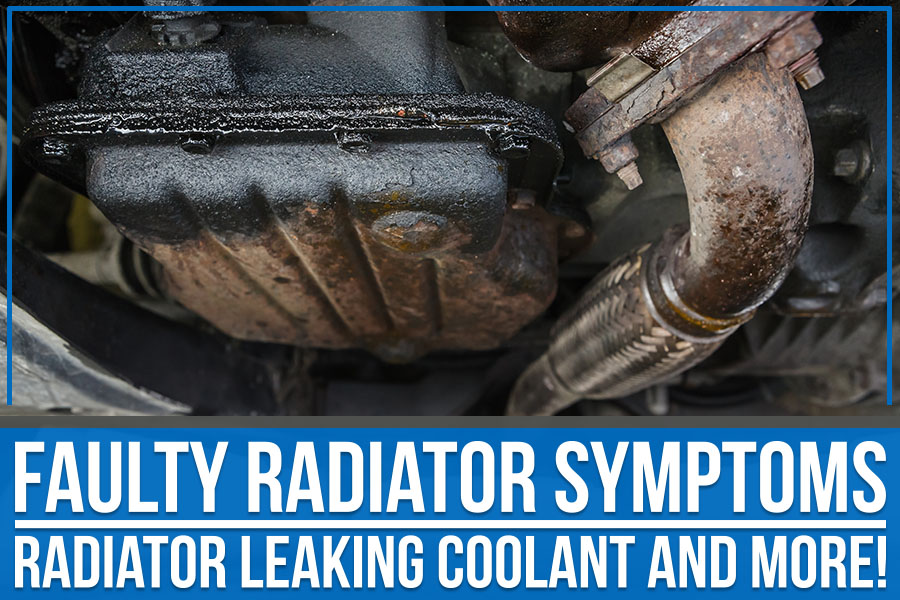
A car’s radiator is a vital part of the engine cooling system. If your radiator starts to have problems, it can affect the performance and lifespan of your vehicle. Learning the signs of a bad radiator can help you troubleshoot and fix the problem before it becomes too serious.
In this blog post, Acura of Tempe will discuss some common bad radiator symptoms, including leakage, overheating, and reduced engine power. We will also feed y’all tips on how to address these issues. Keep reading to learn more!
-
Coolant Leakage:
One of the most well-known signs of a bad radiator is leakage. If you notice coolant pooled under your car or on the ground where you parked, there is likely a leak in your radiator. In some cases, the leak may be smallish and not cause any major problems. However, if the leak is unchecked, it can eventually lead to engine overheating and damage.
-
Overheating Engine:
Another symptom of a bad radiator is an overheating engine. Suppose your engine temperature gauge starts to climb into the red zone. In that case, it indicates your cooling system is not working properly. Several things can provoke this, including a coolant leak, faulty thermostat, or clogged radiator.
-
Steam Coming from Under the Hood:
If you see steam billowing out from under your car’s hood, it’s a sure sign that something is wrong with your radiator. In most cases, this steam is caused by overheated coolant boiling into the engine compartment.
-
Radiator Slow to Fill:
Another symptom of a bad radiator is a slow fill rate. This means that when you add coolant to your radiator, it takes a long time for the reservoir to fill up. A leak in the radiator usually causes this.
-
Radiator Fan Not Working:
The radiator fan is responsible for cooling the coolant in your radiator. If the fan is not working, That will not properly cool the coolant, and your engine could overheat.
How to Address These Issues?
If you think you have a leaking radiator, the best action is to take your ride to a certified mechanic and have them take a look. If you’re losing coolant quickly, it’s best to add more coolant and keep an eye on the level. If your radiator fan isn’t working, you’ll need to replace it.
Taking care of your radiator is important for the longevity of your car. By being on the lookout for these bad radiator symptoms, you can catch problems early and prevent them from becoming extensive, more expensive issues.
Here’s How Acura of Tempe Can Help!
Acura of Tempe, serving Tempe, AZ, has a top-notch service department that can help you with all your radiator needs. Our highly oriented and experienced technicians can take care of any problem, big or small.
We’ll get you back on the road in no time. So, don’t go for the DIY route – come see us at Acura of Tempe and let us take care of your car radiator issues!
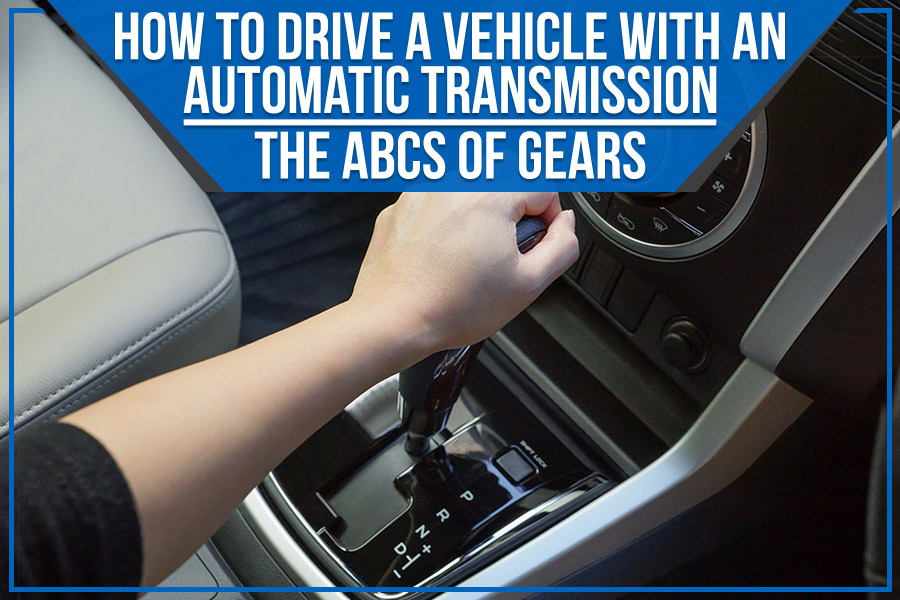
You may think gears are only found in manual transmissions. However, automatic transmissions also have gears, and it’s essential to understand what they do and how they work. Acura of Tempe will discuss the ABCs of gears – or the four types of gears found in automatic transmissions. We will also highlight the importance of knowing what type of gear your car is in.
Why Are Automatic Transmissions Becoming More Popular?
You may have noticed that automatic transmissions are becoming more and more popular, especially in new cars. And there’s a good reason for this – they offer several advantages over manual transmissions. For one thing, they’re easier to use. You don’t have to care about shifting gears yourself, which can be tricky if you’re not used to it. And because there are limited parts in an automatic transmission, they tend to be more reliable and require less maintenance than manual transmissions.
Understanding Automatic Transmission Gear Letters
However, even though automatic transmissions are easier to use, that doesn’t mean you can just put the car in drive and go. You need to know how they work to drive them effectively. For instance, it’s essential to understand the difference between the gearshift’s letters D, R, N, and P.
1. D is for Drive
You’ll use this gear most often when driving. It’s best for highway speeds and can also be used for city driving.
2. R is for Reverse
As you might expect, this gear is used for backing up. Be careful when shifting into reverse – many accidents happen because people forget to check their surroundings before putting the car in reverse.
3. N is for Neutral
This gear is used when you want to coast or if you need to start the car on a hill. You should also shift into neutral if you need to stop on the side of the road for any reason.
4. P is for Park
This gear is used when you’re parked and want to make sure the car doesn’t roll away. Remember that you should only shift into the park when the vehicle is completely stopped – otherwise, you could damage the transmission.
If you know your car’s gears, driving a vehicle with an automatic transmission will be a breeze! Remember to practice safe driving habits, pay attention to your surroundings, and you’ll be fine. Happy shifting!
Ending Note
If you’re in the market for a new car, visit Acura of Tempe serving Tempe, AZ, and take a test drive. We have various models available, each with gears that work together to create an efficient driving experience. Please stop by our dealership today to let us help you find the perfect car for your needs. Thanks for reading!
Connect with us


